
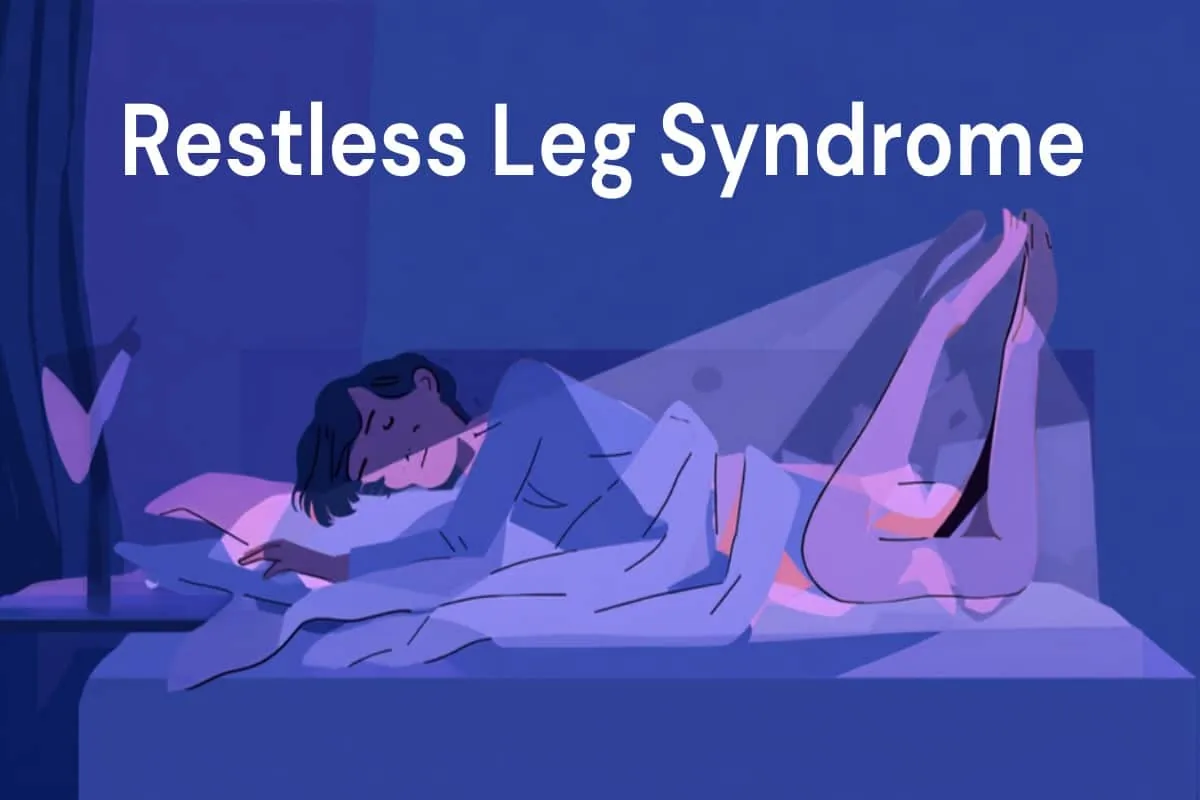
It usually starts as an itch, or a crawling sensation, or a restless energy in the legs that you simply cannot ignore. It tends to arrive in the evening, worsens when you lie down, and the only thing that relieves it — temporarily — is moving. If this sounds familiar, it may be Restless Legs Syndrome.
RLS is more common than many people realise, and it is frequently underdiagnosed because people assume it is just something they have to put up with. It is not. Understanding what it is and what may help is a useful first step.
What Is Restless Legs Syndrome?
Restless Legs Syndrome (RLS) is a neurological condition characterised by an uncomfortable, irresistible urge to move the legs. The sensations are difficult to describe — people use words like crawling, tingling, aching, itching deep inside the leg, or a feeling of internal pressure. Moving the legs brings temporary relief, which is why it tends to interfere badly with falling asleep and staying asleep.
It can develop at any age but becomes more common from the 30s onward. Women are more likely to experience it than men. A 2009 study found that roughly 23% of people surveyed reported RLS symptoms — suggesting it is far more widespread than the level of public awareness might suggest.
What Causes It?
The exact mechanisms are still being studied, but several factors are consistently associated with RLS:
- Iron deficiency — this is one of the most well-established connections. Iron plays a role in dopamine pathways, which affect movement regulation. Women are particularly susceptible due to monthly blood loss through menstruation, and blood loss during pregnancy and childbirth.
- Magnesium deficiency — low magnesium is frequently mentioned in relation to RLS, and magnesium is involved in nerve function and muscle regulation.
- Genetics — RLS tends to run in families, and researchers believe there is likely a significant genetic component.
- Certain medications — some antidepressants, antihistamines, and anti-nausea drugs have been associated with triggering or worsening RLS symptoms. If symptoms began or intensified after starting a new medication, it is worth discussing with your prescriber.
- Underlying conditions — rheumatoid arthritis, kidney disease, and peripheral neuropathy are among the conditions that have been associated with higher rates of RLS.
How RLS Affects Sleep
RLS is not just an inconvenience during the evening. When it prevents you from falling asleep or wakes you in the night, the cumulative effect on sleep quality can be significant. Chronic sleep disruption affects mood, concentration, energy, immune function, and a long list of other things that depend on adequate rest.
Many people with RLS also experience a related condition called Periodic Limb Movement Disorder (PLMD), where the legs jerk involuntarily during sleep — often without the person being aware of it, though it fragments their sleep cycles.
What May Help
This is an area where the right starting point is a conversation with your doctor, particularly because iron and other levels can be easily checked with a blood test. If an iron deficiency is identified, addressing it through diet or supplementation under medical guidance may be part of the picture.
Beyond that, there are practical things many people find helpful:
- Magnesium — whether through food (dark leafy greens, nuts, seeds) or a supplement, adequate magnesium is worth paying attention to. Some people find magnesium glycinate or magnesium citrate easier on the stomach than other forms.
- Reducing caffeine — coffee, tea, cola drinks, and caffeine-containing medications have been associated with worsening RLS symptoms in some people. Cutting back, particularly in the afternoon and evening, is a low-risk thing to try.
- Warm baths before bed — a warm bath in the evening, followed by gentle leg massage, is something many people with RLS find soothing and report helps reduce the frequency of symptoms.
- Regular gentle exercise — moderate movement during the day may help, though intense exercise close to bedtime can sometimes make symptoms worse.
- Consistent sleep schedule — keeping regular sleep and wake times helps regulate the body clock and may reduce the severity of RLS in the evening.
When to See a Doctor
If you recognise these symptoms and they are affecting your sleep or quality of life, it is worth raising with your GP. RLS is a recognised condition and there are established approaches — both lifestyle-based and medical — that can make a meaningful difference. A blood test to check iron levels is often a useful first step.
You do not have to simply accept disrupted sleep as an unavoidable fact of life. Getting the right information is a reasonable place to start.
If you are looking at sleep from a broader natural health perspective, the free Health Bandit Sleep Report covers practical approaches to better rest that are worth exploring.
Also on this site: Nighttime leg cramps: why they happen | Does magnesium glycinate help you sleep | The 4 stages of sleep explained
External resource: Mayo Clinic: Restless Legs Syndrome — symptoms, causes, triggers, and treatment options for RLS
0 Comments