
Lack of Sleep and Cancer: The Hidden Health Connection
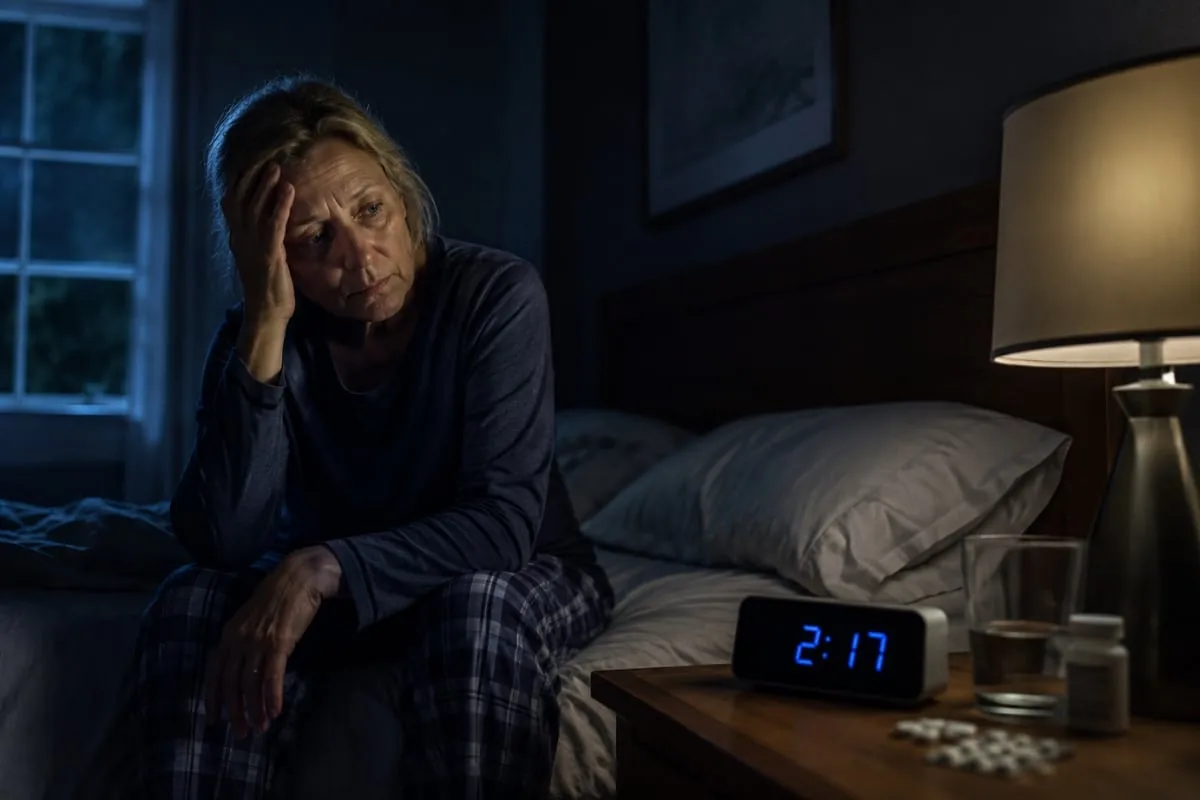
You can probably feel it on those nights when you toss and turn, staring at the ceiling while the clock creeps toward morning. The next day, everything feels harder. Your mood, your focus, your energy, even your appetite. Most people think of poor sleep as nothing more than an annoying part of modern life. But researchers have spent years studying a much more serious question:
Is there a connection between lack of sleep and cancer?
What many people do not realize is that sleep plays a major role in how the body repairs damage, balances hormones, controls inflammation, and supports immune defenses. When sleep becomes short, broken, or of poor quality night after night, those protective systems can slowly begin to struggle in the background.
That does not mean one bad week of sleep causes cancer. But long-term sleep deprivation is increasingly being discussed alongside other major health concerns because the body depends on quality sleep to maintain and protect itself over time.
Why Sleep Matters So Much For Your Health
Sleep is not passive rest. It is one of the most important recovery and protection systems your body has. While you sleep, your body works through critical repair processes that help maintain your brain, hormones, immune system, and cells.
During deep, good quality sleep, your body::
- Supports immune defense, helping your body recognize and remove damaged or abnormal cells
- Repairs everyday cellular damage caused by stress, aging, inflammation, blood sugar swings, and normal wear and tear
- Balances important hormones linked to appetite, stress, inflammation, metabolism, and cell growth
- Clears out waste products that build up in the brain and other tissues throughout the day
This repair work matters more than many people realize.
When sleep becomes short, broken, or poor quality night after night, the body has less time to properly restore and regulate itself. Over months and years, that strain can start to affect energy, weight, blood sugar, blood pressure, inflammation, immune function, and overall long-term health.
That is one reason researchers continue studying possible links between chronic sleep deprivation, aging, and diseases such as cancer.
How Poor Sleep Might Connect To Cancer Risk
Cancer starts when cells begin growing, dividing, and surviving in ways they should not. Your body has several natural defense systems that help regulate this process, and sleep plays an important role in many of them. That is one reason researchers continue studying the possible connection between lack of sleep and cancer.
Here are a few of the major links experts often discuss:
- Immune defense. Your immune system helps recognize and clear out damaged or abnormal cells before they become bigger problems. Chronic poor sleep may weaken some of these “patrol” cells, reducing part of your body’s natural surveillance system.
- Cell repair and cleanup. During sleep, your body spends more time repairing everyday DNA damage and removing cells that are no longer functioning properly. When sleep becomes short or broken night after night, there may be less time for this important repair cycle.
- Hormone balance and inflammation. Hormones connected to stress, appetite, blood sugar, metabolism, and cell growth can all shift with long-term sleep deprivation. Over many years, ongoing inflammation and hormone disruption may create conditions that are less supportive of long-term health.
This does not mean a few bad nights will suddenly cause cancer. Life happens, and everyone has periods of poor sleep. What matters more is the long-term pattern. Regular, good-quality sleep supports the repair, immune, and regulatory systems your body depends on to catch problems early and maintain balance over time.
Seeing Sleep as a Daily Cancer Defense

For health-conscious seniors and budget-minded adults, this is actually encouraging news. You do not need expensive gadgets or complicated wellness routines to better support your body. Prioritizing sleep may be one of the most practical and affordable ways to support long-term health.
And for many people, the problem is not simply “sleeping enough.” It is poor-quality sleep, waking up exhausted even after spending hours in bed. If that sounds familiar, this guide on why sleep quality matters and how to improve it explains some of the deeper reasons sleep may not feel restorative.
Some people also explore gentle nutritional support as part of a healthier nighttime routine. If you have been wondering specifically about magnesium, you can read more in this article on magnesium glycinate and sleep.
In the next section, we will look more closely at what happens in the body when poor sleep becomes a long-term pattern, and why researchers continue to explore possible links between lack of sleep and cancer risk.
How Lack of Sleep Can Affect Your Body and Potential Cancer Risk
If you have been living on “just enough” sleep for years, it can start feeling normal. You push through the morning fog with coffee, fight through the afternoon slump, and promise yourself you will catch up on rest later. Many people live this way for years without realizing how much chronic sleep deprivation may be affecting their long-term health.
The problem is that poor sleep not only leaves you tired. Researchers studying possible links between lack of sleep and cancer are also looking at what happens quietly inside the body when sleep becomes short, broken, or low-quality night after night.
Over time, chronic poor sleep may slowly strain the systems responsible for immune defense, hormone balance, inflammation control, and cellular repair, the very systems your body depends on to help protect itself.
Sleep Loss and Your Immune Defense
Your immune system does far more than fight colds or infections. It also helps identify cells that appear damaged, abnormal, or unhealthy and flags them for removal before they become bigger problems. This is one reason researchers exploring possible links between lack of sleep and cancer often focus on immune function and long-term inflammation.
When you routinely sleep poorly, your body may:
- Produce fewer “patrol” cells that help scan for problems
- React more slowly when something is off
- Stay in a low-level stressed state that can gradually wear down immune defenses
Think of it like a security team that is constantly exhausted. They still show up and do their job, but they are more likely to miss warning signs they might have caught if they were properly rested.
Over months and years, that ongoing strain may make it harder for the body to maintain the strong repair and defense systems that support long-term health.
Hormones, Sleep, and Long-Term Health
Sleep also plays an important role in hormone balance. Hormones act as the body’s chemical messengers, helping regulate stress, appetite, blood sugar, metabolism, inflammation, and cell growth. When sleep becomes short or broken for long periods, many of those systems can slowly drift out of balance.
Over time, chronic poor sleep may contribute to:
- Higher ongoing stress load on the body
- Increased inflammation, which can place extra strain on tissues
- Harder weight control, especially around the abdomen
- Greater cravings for sugar and highly processed foods
- More unstable blood sugar and energy levels
These same patterns, particularly excess weight, chronic inflammation, and poor metabolic health, are also frequently discussed in research exploring possible links between obesity, inflammation, and cancer risk. That is one reason conversations about lack of sleep and cancer often overlap with discussions about weight, insulin resistance, and long-term health habits.
If you are already trying to support your weight, blood sugar, heart health, or energy levels, improving sleep may help support all of those goals at the same time. For a deeper look at this connection, you may find this guide on obesity and cancer risk useful.
Cell Repair, Aging, and Cancer Concerns
Every day, your cells pick up small bits of damage from normal living, like sunlight, stress, or blood sugar swings. Nighttime is when your body handles a lot of that cleanup and repair work.
When sleep is cut short again and again, your body may have less time for:
- Repairing everyday DNA damage
- Removing worn-out cells
- Resetting brain and nerve function so you wake up sharper
Over time, if damage builds up faster than your body can fix it, the risk of many age-related problems can rise, including some cancers. This is one reason researchers continue exploring possible links between lack of sleep and cancer in long-term health studies.
The key idea is simple. Good sleep supports your body’s natural defense, repair, and balance systems. Poor sleep can slowly place those systems under strain over time. For health-conscious seniors and budget-minded adults, improving sleep is not just about having more energy tomorrow. It may also be an important part of protecting long-term health.
If you want simple, realistic ways to start improving sleep quality at home, explore this guide to better sleep at night.
Common Causes of Sleep Problems, Especially for Older Adults
If you are lying awake at 2 a.m. staring at the ceiling and wondering why your body will not just settle down, you are far from alone. Sleep often becomes more fragile with age, ongoing health issues, stress, medications, and the mental load of everyday life. Over time, these patterns may contribute to the chronic sleep disruption researchers discuss in conversations around lack of sleep and cancer.
That does not mean you are doing anything “wrong.” In many cases, it means your body and nervous system are dealing with more strain than they used to.
Normal Changes in Sleep With Age
As you get older, your sleep pattern often changes. Many people notice they:
- Fall asleep earlier in the evening
- Wake up earlier than they would like
- Experience lighter sleep with more frequent awakenings
- Wake feeling less deeply rested, even after enough hours in bed
These changes can feel frustrating, especially when exhaustion starts affecting your mood, focus, patience, or daily energy. But they are also very common. As the body ages, the internal body clock and natural sleep pressure signals can weaken, making sleep easier to interrupt and harder to maintain through the night.
For some adults, this gradual shift is one reason chronic poor sleep quietly becomes a long-term health concern rather than “just getting older.”
Stress, Worry, and Mental Load
Even in retirement or later life, stress does not simply disappear. Many people carry quiet worries about health problems, finances, family responsibilities, caregiving, grief, or loneliness. At night, when the house becomes quiet and distractions fade, those thoughts often grow louder.
Common signs that stress may be interfering with sleep include:
- Racing thoughts when you lie down
- Waking at the same time every night, thinking about problems
- Tension in the jaw, shoulders, chest, or stomach at bedtime
- Feeling mentally exhausted but physically unable to relax
Over time, this cycle of stress and poor sleep can place ongoing strain on the nervous system and may contribute to broader health concerns linked to chronic inflammation, aging, and even discussions around lack of sleep and cancer.
Gentle relaxation practices, slow breathing, calming nighttime routines, and reducing mental overload before bed may help quiet some of that “mental noise.” If you are interested in additional ways to support focus, mood, and cognitive health during the day, you might also like this guide on brain-boosting foods for better cognitive health.
Medications and Health Conditions
Many common medications and health conditions can quietly interfere with sleep, especially as people get older. Some prescriptions may leave you feeling drowsy during the day but restless or “wired” at night. Others can experience increased nighttime bathroom trips, vivid dreams, dry mouth, or nighttime discomfort that repeatedly interrupts sleep.
Health issues such as chronic pain, breathing problems, restless legs, acid reflux, anxiety, blood sugar swings, and nighttime stress can also make it much harder for the body to settle into deep, restorative sleep.
Over time, constantly disrupted sleep may contribute to exhaustion, inflammation, poor recovery, and some of the broader long-term health concerns researchers discuss when exploring possible links between lack of sleep and cancer.
If you notice your sleep has worsened after starting a new medication, or if you regularly wake from pain, discomfort, breathing issues, or racing thoughts, that is important information to discuss with your doctor or pharmacist.
Lifestyle Habits That Quietly Disrupt Sleep
Small daily habits can quietly build into bigger sleep problems over time, especially when stress and exhaustion are already present. Common examples include:
- Large or late dinners that trigger indigestion or acid reflux
- Caffeine, energy drinks, or strong tea too late in the day
- Alcohol in the evening, which may make you sleepy at first, but often leads to fragmented sleep later
- Irregular sleep and wake times, especially on weekends
- Too much bright light from TVs, phones, tablets, or doomscrolling close to bedtime
These habits may seem minor on their own, but over months and years, they can gradually interfere with sleep quality, recovery, hormone balance, and stress regulation. This is one reason conversations around long-term sleep deprivation and lack of sleep and cancer often focus on daily lifestyle patterns, not just isolated bad nights.
The encouraging part is that many of these habits can be improved without spending much money. Small adjustments to meal timing, caffeine use, evening screen exposure, and nighttime routines can sometimes create noticeable improvements in sleep quality over time.
And if sleep feels difficult right now, that does not mean you are weak, lazy, or failing. There are often real biological, emotional, and lifestyle reasons behind chronic poor sleep. Once you understand those patterns more clearly, it becomes much easier to make realistic changes, which we will explore in the next section on simple, affordable sleep strategies.
Where to start, if this article hit close to home
Reading about risk is not the same as knowing what to change tonight. My free Health Bandit report walks through the five most common ways poor sleep quietly affects your health, and the practical steps that may help with each. It is educational, not medical advice, and it is a reasonable first step before anything else.
Simple, Affordable Strategies To Improve Sleep Quality
If this article has made you realize how deeply sleep affects long-term health, the good news is that improving sleep does not always require expensive gadgets, complicated routines, or extreme wellness trends. In many cases, small, consistent habits can help your body feel calmer, safer, and more ready for restorative rest over time.
A few simple starting points include:
- Keeping a more regular sleep and wake schedule
- Reducing bright screens, stress, and mental stimulation before bed
- Limiting late caffeine, heavy meals, and alcohol close to bedtime
- Creating a darker, quieter, and calmer sleep environment
- Practicing simple relaxation habits to help settle the nervous system
These changes may sound small, but over time they can support deeper sleep, better recovery, healthier stress regulation, and improved overall well-being.
If you want a more structured, step-by-step approach, the Sleep Like a High-Performer workbook walks you through practical routines, calming strategies, sleep-supportive habits, and realistic ways to improve sleep quality without expensive biohacks or overwhelming lifestyle changes.
What Research Says About Lack of Sleep and Cancer
Researchers have been looking at the connection between lack of sleep and cancer for many years. While poor sleep is not viewed as a direct “cause” of cancer on its own, scientists continue to study how long-term sleep problems may slowly affect the body over time.
One reason sleep gets so much attention is that the body does a lot of important repair work during the night. Good sleep helps support immune defense, hormone balance, inflammation control, and cellular repair. When sleep stays short, broken, or of poor quality for months or years, those systems may not work as smoothly as they should.
Researchers are especially interested in:
- Chronic inflammation, which can stay elevated when the body is constantly stressed and overtired
- Circadian rhythm disruption, where the body’s natural sleep-wake clock gets repeatedly thrown off
- Immune system strain, which may affect how the body recognizes and removes damaged cells
- Melatonin disruption, since this nighttime hormone helps regulate sleep and may also support other protective processes in the body
Shift Work, Circadian Rhythm, and Cancer Discussions
This is one reason shift workers often appear in sleep research. People who regularly work overnight or rotating schedules may experience more disruption to their normal body clock and sleep patterns over long periods.
Researchers have paid particular attention to circadian rhythm disruption because the body depends on regular sleep-wake cycles to help regulate hormones, inflammation, immune function, and cellular repair. Over time, repeated disruption to these natural rhythms may place extra strain on many of the same systems involved in long-term health and aging.
This does not mean everyone who works nights will develop serious health problems. But studies involving shift workers are one reason conversations around lack of sleep and cancer continue receiving growing scientific attention.
At the same time, researchers are careful not to oversimplify things. Cancer risk is complicated and influenced by many factors, including smoking, alcohol, weight, stress, inactivity, diet, environmental exposures, genetics, and overall health habits. Sleep is viewed as one important piece of that bigger picture.
But the overall message from the research is becoming harder to ignore: sleep is not just “downtime.” Good sleep helps support many of the same systems your body relies on for recovery, repair, immune protection, and long-term health.
Why Taking Sleep Seriously Matters
Many people spend years treating exhaustion like a normal part of adult life. You push through the brain fog, depend on caffeine, fall asleep in front of the TV, and promise yourself you will rest properly “later.” But over time, chronic poor sleep can quietly affect far more than your mood or energy levels.
That is one reason conversations around lack of sleep and cancer continue getting more attention. Researchers are increasingly exploring how long-term sleep deprivation may affect inflammation, immune defense, hormone balance, aging, and the body’s natural repair systems over many years.
The encouraging part is that sleep is one area of health where small changes can still make a difference. You do not need a perfect routine or expensive wellness trends to start supporting your body better. Even modest improvements in sleep habits may help your body recover, regulate stress more effectively, and feel more resilient over time.
If you want a more practical, structured way to improve your sleep habits, the Sleep Like a High-Performer workbook walks you through realistic routines, calming strategies, and step-by-step, sleep-supportive habits designed for real life, not perfection.
When To Seek Professional Help And How To Talk With Your Doctor

If sleep problems keep happening for weeks or months despite simple lifestyle changes, it may be time to speak with a healthcare professional. Ongoing sleep disruption should not automatically be dismissed as “just getting older,” especially when it affects your energy, concentration, mood, breathing, or daily functioning.
Consider talking with your doctor if you:
- Struggle to fall asleep or stay asleep most nights
- Wake up exhausted even after enough hours in bed
- Snore loudly, gasp, or stop breathing during sleep
- Feel unusually sleepy during the day
- Depend heavily on alcohol, sleep medications, or supplements to rest
- Frequently wake from pain, anxiety, heartburn, or breathing discomfort
Keeping a simple sleep log for a week or two can also help you notice patterns related to stress, meals, medications, caffeine, or nighttime wake-ups.
Most importantly, do not ignore ongoing sleep problems simply because they have become familiar. Sleep plays a major role in recovery, immune function, hormone balance, and long-term health. That is one reason researchers continue exploring possible links between chronic sleep deprivation, aging, inflammation, and the link between lack of sleep and cancer.